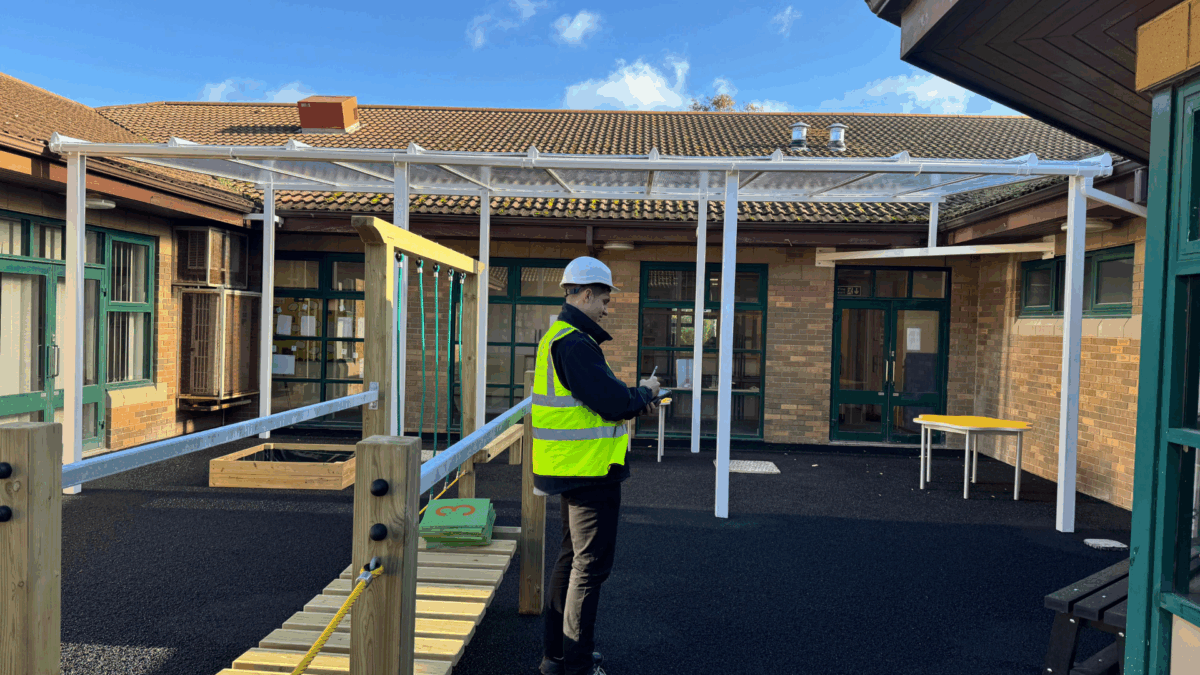
A school condition survey only delivers value if the right access, information and planning are in place before the surveyor arrives. For busy estate and business managers in academies and academy trusts, preparation makes a clear difference. It speeds up the visit, improves accuracy and gives you a reliable picture of the condition of your buildings, helping you manage compliance, risk and investment across your estate.
This guide explains what surveyors need, how to prepare your site and how to ensure you get meaningful, actionable data for funding applications and long-term planning.
Practical steps for estate and business managers
What is a condition survey?
A condition survey is a structured assessment of the physical state of buildings, services and compliance. It records defects, age, performance and associated risks across your building, systems and external areas.
A building condition survey usually combines visual inspection with targeted checks and condition data collection to create a clear, reliable evidence base. The findings are used to improve the learning environment, arrange preventative maintenance and support capital bids.
A school condition survey gives you a clear report showing the issues that require attention, the work required, and any urgent remedial works needed to protect your buildings. It highlights risks, priorities and costs, giving academies and trusts the key benefits of accurate data, consistent grading and reliable evidence for funding and maintenance plans.
Once actions are completed, the survey becomes a useful baseline for tracking improvements and planning future investment.
Who carries out a condition survey?
A condition survey school-wide should be delivered by qualified, independent building surveyors. For MATs, this means RICS-chartered surveyors who understand the education sector, DfE requirements, safeguarding, and how to work safely in live teaching environments.
At Charles Garth, all school building condition surveys are delivered by education building consultants using the latest mobile assessment technology to ensure accuracy, consistency and minimal disruption.
Regular building condition surveys allow school teams to prevent major defects, improve health and safety, and ensure the physical condition keeps students and visitors safe, reducing the risk of costly repairs.
How often do academies and academy trusts need a condition survey?
There is no statutory cycle, but most academy trusts follow these good practice patterns:
- Every three to five years for a full estate-wide building condition survey (regular surveys keep data current)
- More frequently for ageing blocks, complex school buildings or sites with known issues
- Ahead of CIF applications or SCA funding allocation
- Before major refurbishment projects
- After significant events such as leaks, fire safety issues or structural movement
For MATs, regular condition surveys at key intervals produce comparable, reliable condition data and strengthen multi-site investment planning, manage resources effectively and reduce compliance breaches.
Why preparation matters
A school building condition survey underpins decisions on compliance, refurbishment, long-term capital planning and preventative maintenance. Good preparation ensures your condition survey report delivers:
- Accurate grading of building fabric and services
- Clear priority actions, including any serious risk to safety or operation
- Evidence for budgets and government funded school bids
- Data for energy and sustainability measures
- A consistent view across all educational buildings in your trust
For academies and MATs managing large portfolios, consistent preparation across each school ensures the same level of depth, evidence and clarity.
What surveyors look for during condition surveys for schools
A typical survey involves visual inspection and assessment of:
- Roofs, gutters and external building fabric
- Classrooms, circulation areas and specialist teaching spaces
- Mechanical, electrical, heating and plumbing services
- Fire safety, access and statutory compliance
- Outbuildings, boundaries and drainage
Surveyors also review maintenance history, previous works, leaks, temporary repairs and known issues. They need clear access, up-to-date documentation and time with someone who understands the site well.
A safe working environment is essential. Surveyors rely on a current asbestos register, clear ACM markings and any required permits before entering restricted spaces or carrying out intrusive checks. Photography and drone filming is standard, limited to building elements (never pupils) and stored securely.
Step 1: Organise access across the site
Delays often occur when areas are locked or in use. Before the survey:
- Confirm and provide access times for building surveyor ahead of the visit
- Provide access to all rooms, plant areas, roof spaces and IT/server rooms
- Identify any safeguarding routes, SEND areas or timetabled teaching constraints
- Supply keys, fobs or escorts where needed
- Flag restricted or hazardous areas early
- Confirm signing-in, parking and site rules
Step 2: Gather the key documents
Surveyors only need a core set of documents, but having them ready improves accuracy and trust-wide consistency. Useful documents include:
- Previous school building condition surveys
- Asbestos register
- Fire risk assessment
- Water hygiene records
- Gas and electrical certificates
- Accessibility audits
- Notes on recurring defects or operational concerns
Step 3: Brief your site team
Reception and site staff should understand:
- When the surveyor is attending
- What access they will need
- Which rooms require unlocking
- Who can answer operational questions
A named point of contact is essential. For MATs, a simple site briefing template ensures consistency across each school.
Step 4: Highlight concerns, risks and planned works
Before the visit, list:
- Any known issues or serious risk areas
- Ageing roofs, boilers, drainage or electrical systems
- Planned refurbishment or improvement projects
- School-specific issues affecting lifecycle or energy savings
- Trust-wide estate priorities and compliance pressures
This ensures the survey covers both immediate concerns and strategic needs.
Step 5: Understand how condition grading works
At Charles Garth, we grade by condition, urgency and risk to help you:
- Identify immediate issues
- Prioritise maintenance and refurbishment
- Support CIF and SCA funding
- Allocate budgets across your academies
Our surveys follow DfE Good Estate Management for Schools (GEMS) and align with the DfE condition grading model.
Step 6: Use the survey for funding and long-term strategy
A well-prepared condition survey report supports:
- CIF applications
- SCA allocations
- Capital planning
- Lifecycle forecasting
- Trust-wide project pipelines
- Prioritised, risk-led investment planning
Consistent data across your school or MAT helps you project manage works, plan sequencing and make confident long-term decisions.
How Charles Garth supports academies and multi-academy trusts
A condition survey is a valuable tool for understanding the true condition of your school estate and planning both short-term works and long-term investment.
Our condition survey includes estimated costs for repairs, replacements, lifecycle works and priority actions. These costed recommendations help estate and finance teams build realistic budgets, test different funding options and make strategic decisions on trust-wide priorities based on risk and need.
Our education building consultants deliver clear, DfE-aligned condition surveys for individual academies, MAT portfolios and complex estates. We work safely in live educational buildings, minimise disruption and provide practical reporting you can use immediately.
Academies and MATs use our surveys to strengthen funding bids, plan refurbishment, improve energy savings and manage compliance across all school buildings.
If you need help preparing for or commissioning a survey, or want to refresh your estate data before the next funding round, we can help. Get in touch with our team for clear advice and a tailored quotation from surveyors with expertise you can trust.
